Pharmacy Course in Bangladesh 2026 | Fees, Duration & A...
Pharmacy Course in Bangladesh 2026 | Fees, Duration & Admission Guide

-1786707111921.png)
The Pharmacy Council of Bangladesh (PCB) plays a pivotal role in regulating and overseeing pharmacy practice in the country. It is the authoritative body responsible for maintaining the standards of pharmacy education, practice, and ethics. As the pharmacy profession constantly evolves to meet the changing healthcare needs of the nation, the PCB regularly updates its regulations and guidelines to ensure that pharmacists in Bangladesh provide safe and effective healthcare services.
C Grade Pharmacist Course: 3-Month Pharmacy Course in Dhaka. Course Fee: Tk 15500. Mobile No.: 01987-073965, 01797-522136. Admission Fee: Tk 7500, Monthly Fee: Tk 2000×3=Tk 6000, and Exam Fee: Tk 2000. Total Subjects: 5 The subjects are Human Anatomy and Physiology, Pharmacology 1, First Aid and Antimicrobial Drugs, Study of OTC Drugs, and Pharmacology 2. Weekly Class: 3 hours a day, Friday or Monday.
Pharmacy Curriculum: The PCB periodically revises the pharmacy curriculum to align it with international standards and emerging trends in the field. The latest updates emphasize the importance of practical training, pharmaceutical care, and patient counseling. These changes are aimed at producing well-rounded pharmacists capable of delivering comprehensive healthcare services.
Code of Ethics: The PCB's code of ethics outlines the professional conduct expected from pharmacists. Recent updates have placed a stronger emphasis on patient confidentiality, informed consent, and the responsible use of technology in pharmacy practice.
Pharmacy Licensing: To ensure that only qualified professionals enter the field, the PCB has updated its licensing requirements. Aspiring pharmacists must now meet stricter educational and practical training criteria to obtain their licenses. These changes are designed to enhance the quality of pharmacy professionals in Bangladesh.
Telepharmacy Guidelines: Recognizing the growing role of telepharmacy in healthcare, the PCB has issued guidelines for the practice of telepharmacy. These guidelines ensure that pharmacists providing remote pharmaceutical services adhere to the same standards of care as those in traditional settings.
Continuing Education: The PCB encourages pharmacists to engage in continuous learning. It has introduced new guidelines for mandatory continuing education to keep pharmacists updated on the latest advancements in the field. This ensures that practicing pharmacists remain current in their knowledge and skills.
Drug Regulations: Given the importance of safe and effective medication use, the PCB regularly updates its regulations on drug dispensing and compounding. These regulations are in line with international best practices and help prevent medication errors and ensure patient safety.
Pharmacy Inspections: The PCB conducts routine inspections of pharmacies and educational institutions to ensure compliance with its regulations. Recent updates have increased the frequency and rigor of these inspections, emphasizing the importance of adherence to standards.
The Pharmacy Council of Bangladesh plays a vital role in maintaining the integrity and quality of pharmacy practice in the country. Its commitment to updating regulations and guidelines reflects its dedication to ensuring that pharmacists in Bangladesh provide the highest standards of care to their patients. Pharmacists and pharmacy students should stay informed about these changes and actively participate in continuing education to meet the evolving requirements of the profession.
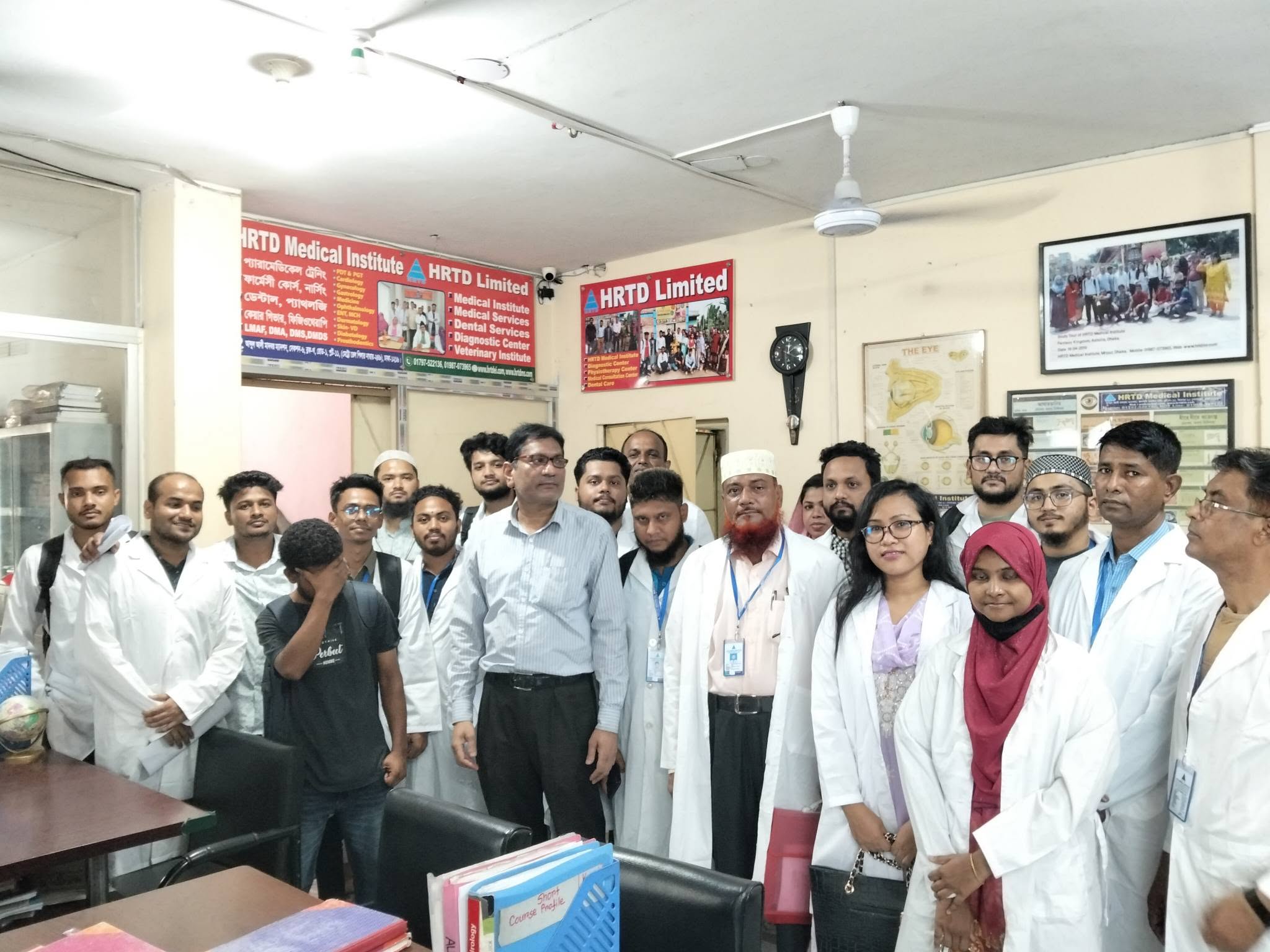
Pharmacy Course in Bangladesh 2026 | Fees, Duration & Admission Guide
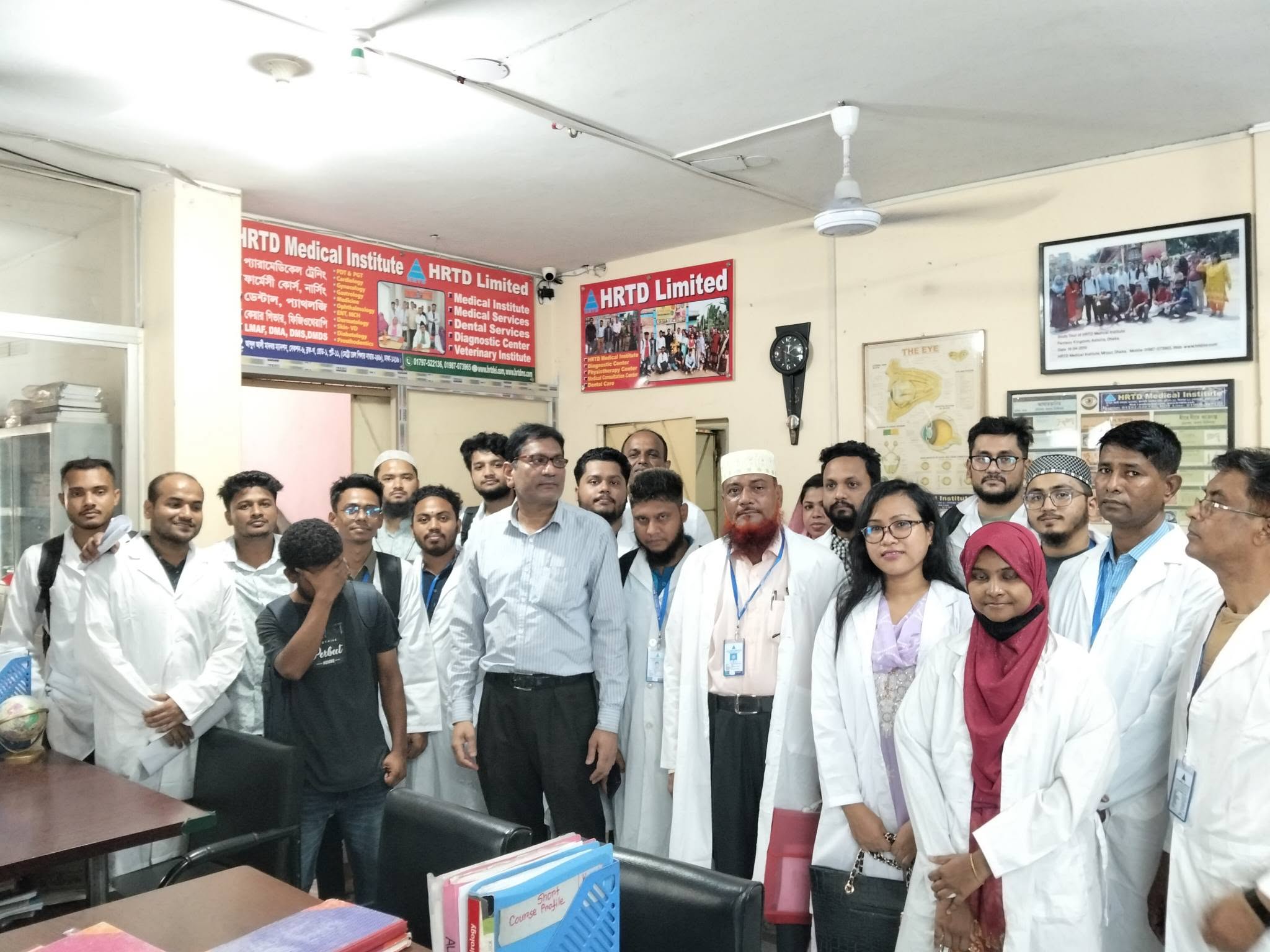
Looking for the best dental course in Dhaka? Explore practical, career-focused dental education an...
-1786705840701.png)
বাংলাদেশে Pharmacy Course সম্পর্কে জানুন—admission, course fee, subjects, duration, practical trai...
-1786706726711.png)
Explore Pharmacy Course options in Bangladesh, including duration, subjects, practical training, a...
Development by : Shahabuddin